Sel Roti (Nepali Sweet Rice Ring Bread)
Sel Roti, the iconic Nepali fried sweet rice ring, crisp on the outside and soft within, made for Tihar, Dashain, and every joyful occasion in between.
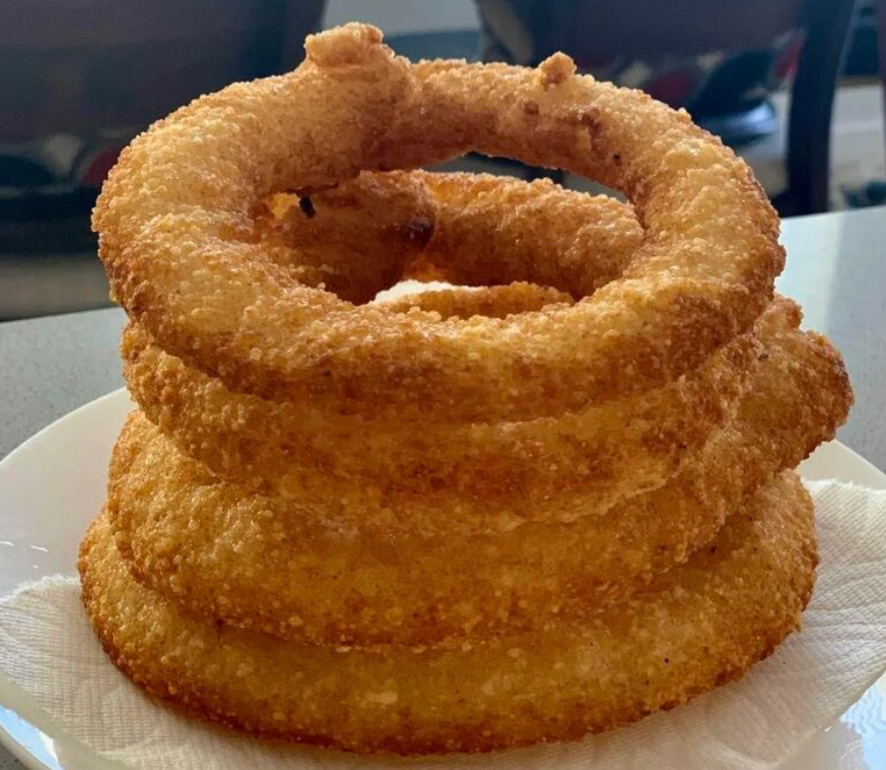
If sel roti is being made in a Nepali kitchen, something is being celebrated. The ring-shaped fried bread, golden, lightly sweet, faintly perfumed with cardamom, is the unmistakable smell of Dashain and Tihar across Nepal. As children we would crowd around the wok watching my grandmother coax perfect circles out of thin batter with a single steady stream from her hand, the ring puffing and turning the colour of warm amber in seconds. She made it look like magic. It is not magic, it is practice, but it is also a small, generous miracle every time it works.
Sel roti is one of those recipes that depends entirely on getting two things right: the consistency of the batter and the temperature of the oil. Get those, and the rest is just patience and a steady hand.
Ingredients
- 2 cups raw long-grain white rice (basmati or sona masuri)
- 3/4 cup sugar (or 1 cup grated jaggery / chaaku for a deeper, traditional flavor)
- 1 medium ripe banana, mashed (optional, adds aroma and helps the rings hold their shape)
- 1/2 cup whole milk (or water), plus more as needed
- 3 tablespoons melted ghee (plus more for frying)
- 1 teaspoon freshly ground green cardamom
- 1/4 teaspoon freshly grated nutmeg
- 1/4 teaspoon salt
- Neutral oil + ghee, for deep frying (about 3 cups)
Instructions
Soak the rice (overnight): Rinse the rice in 2–3 changes of water until the water runs clear, then cover with plenty of fresh water and soak for at least 8 hours, or overnight. The rice should crush easily between your fingers when ready. Drain very well and let it air-dry in a colander for 15 minutes, excess water is the number-one cause of thin, broken rings.
Grind the batter: Transfer the drained rice, sugar, banana (if using), ghee, cardamom, nutmeg, and salt to a powerful blender. Add 1/4 cup of milk to start and blend on high, scraping down and adding milk a tablespoon at a time, until you have a thick, smooth, pourable batter, slightly thicker than pancake batter. When you lift the spoon, the batter should fall back into the bowl in a slow, ribbon-like stream.
Rest the batter: Cover and let the batter rest for 30–45 minutes at room temperature. This relaxes the starch and makes the rings tender. After resting, check the consistency again, if it has thickened too much, loosen with a splash of milk; if it feels thin, do not worry, the rest will help.
Heat the oil: Pour the oil into a deep, wide karahi or wok to a depth of at least 2 inches and add 2 tablespoons of ghee for flavor. Heat over medium until it reaches 170°C / 340°F. Test with a small drop of batter, it should sink briefly, then float to the top within 3 seconds and bubble gently. Too hot and the outside browns before the inside cooks; too cool and the rings absorb oil and turn dense.
Pour the rings: Transfer the batter to a tall vessel with a spout (or use a small ladle, a piping bag, or a squeeze bottle). Holding 6 inches above the oil, pour the batter in a steady, continuous stream in a circular motion to form a ring about 4 inches across. Pour confidently, hesitating creates breaks. Pour 2 or 3 rings at a time, never crowding the pan.
Fry to gold: The ring will sink, then rise within seconds. After about 1 minute, when the underside is light golden, gently flip with a long skewer or chopstick threaded through the center. Fry the second side for 30–60 seconds until just golden, sel roti is meant to be pale amber, not deep brown. Lift onto a wire rack (not paper towels, they trap steam and soften the crust).
Serve: Sel roti is best eaten the day it is made, slightly warm, with a cup of milk tea or a side of yogurt. They will keep in an airtight tin for 2–3 days; refresh briefly in a warm oven to crisp.
Troubleshooting
- Rings break apart in the oil: Batter is too thin. Stir in 2 tablespoons of fine rice flour and try again.
- Rings come out dense and oily: Oil is too cool. Bring it back up to 170°C before pouring more.
- Rings brown too quickly outside, raw inside: Oil too hot. Pull off the heat for a minute, then resume.
- Rings will not hold a circle: Pour from higher up and move your hand more steadily. Practise with a small ring first, the first one is always the test piece.
A note on tradition
During Tihar, Nepali families fry sel roti by the dozen and share them with neighbours and visiting relatives. Sisters give them to brothers as a blessing on Bhai Tika. They are stacked on bamboo trays in markets, sold by the mala (a string of seven). However you make them, share them, sel roti is a recipe that grows in meaning when it is given away.